Problem
The existing loyalty system was fragmented across multiple brands, each with its own membership structure, interface, and user flow.
Users were required to manage multiple cards and navigate inconsistent experiences, leading to confusion, increased cognitive load, and low engagement.
From a business perspective, the lack of a unified system also limited scalability and made cross-brand integration difficult.
Insight
Users do not think in terms of brands. They think in terms of benefits and convenience.
The separation of loyalty programs created unnecessary complexity as users struggled to remember where to access points, rewards, and membership details.
Solution
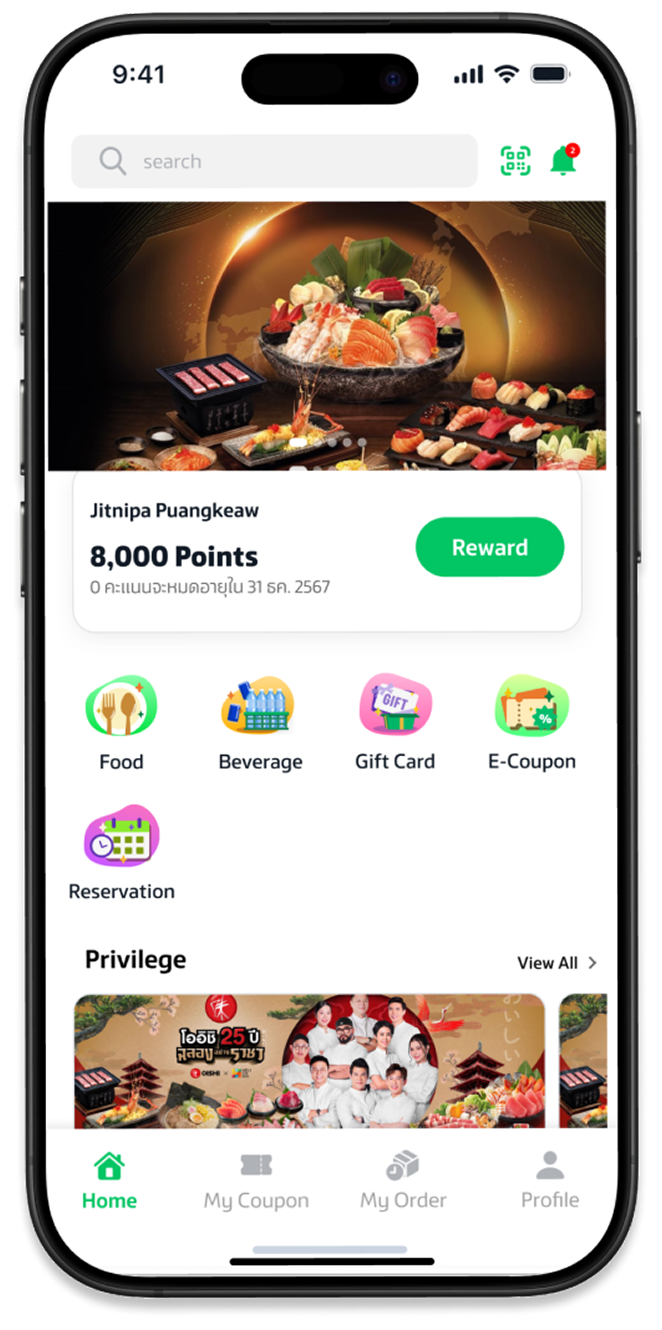
We redesigned the loyalty experience into a unified multi-brand platform, allowing users to manage all memberships in one place.
- Consolidating multiple brand cards into a single interface.
- Standardizing interaction patterns across brands.
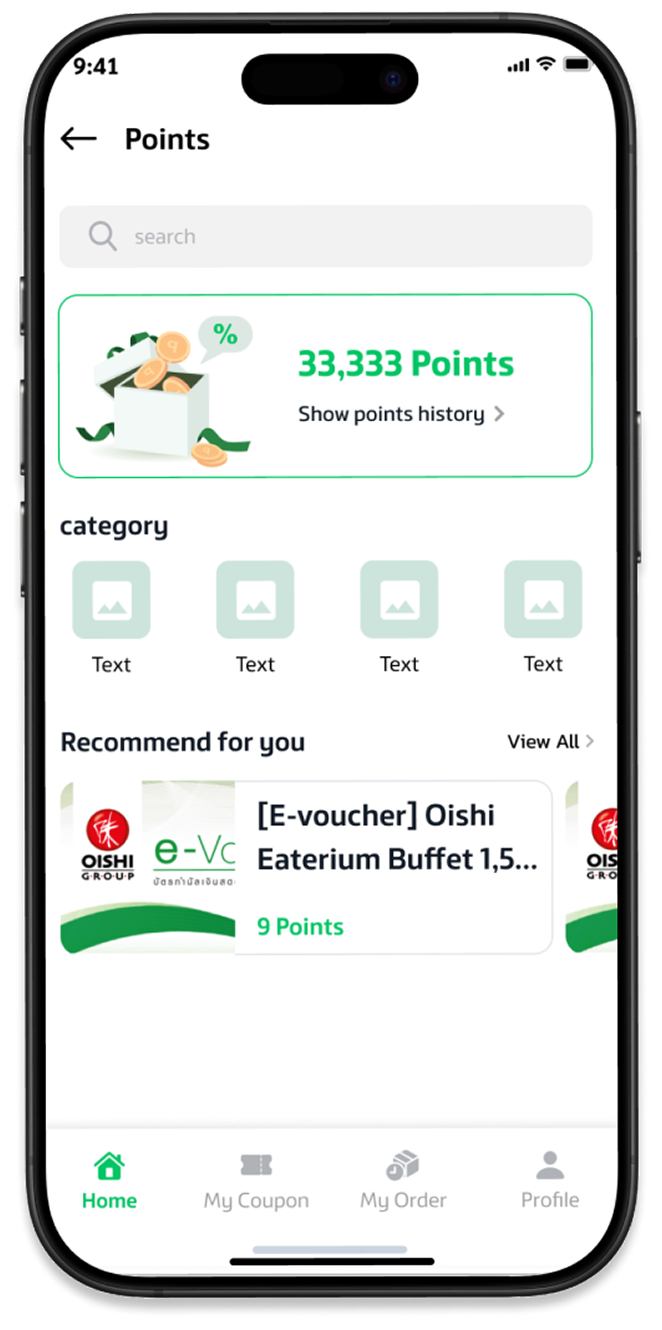
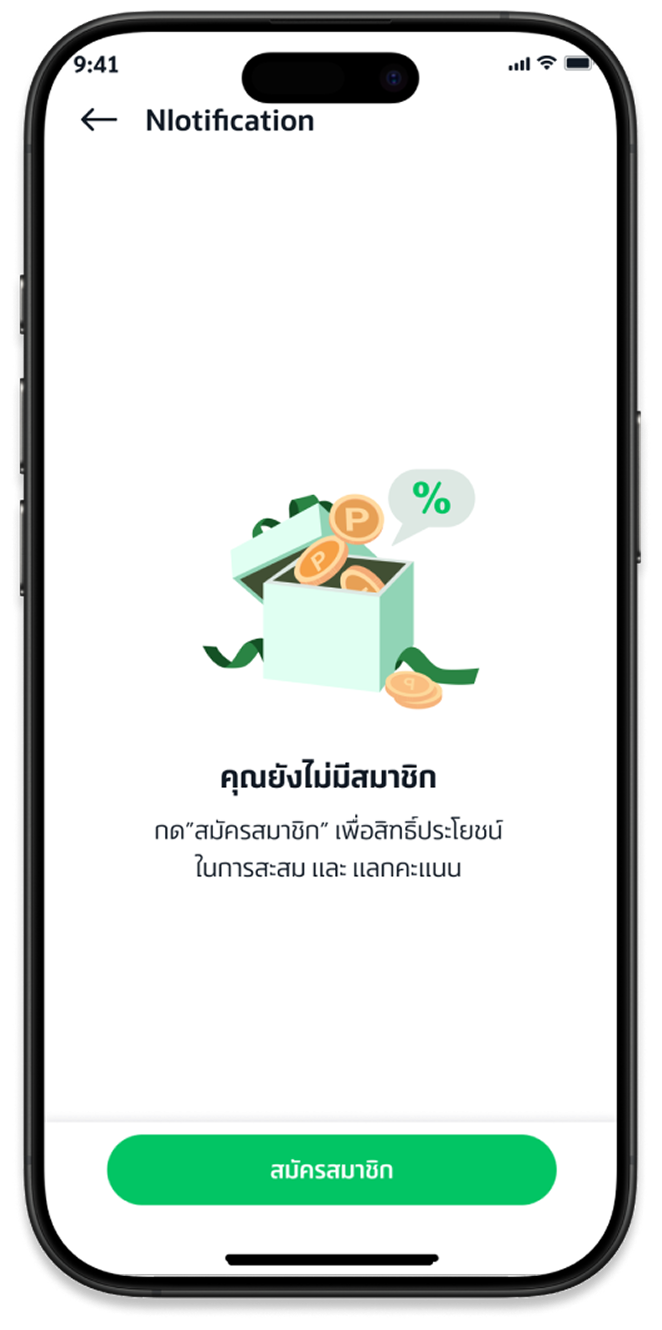
- Simplifying access to points, rewards, and membership status.
Information Architecture Redesign
The structure was redesigned from a fragmented, brand-based system into a unified, task-based experience. This allows users to focus on key actions such as managing points, rewards, and services in one place.
Wire frame
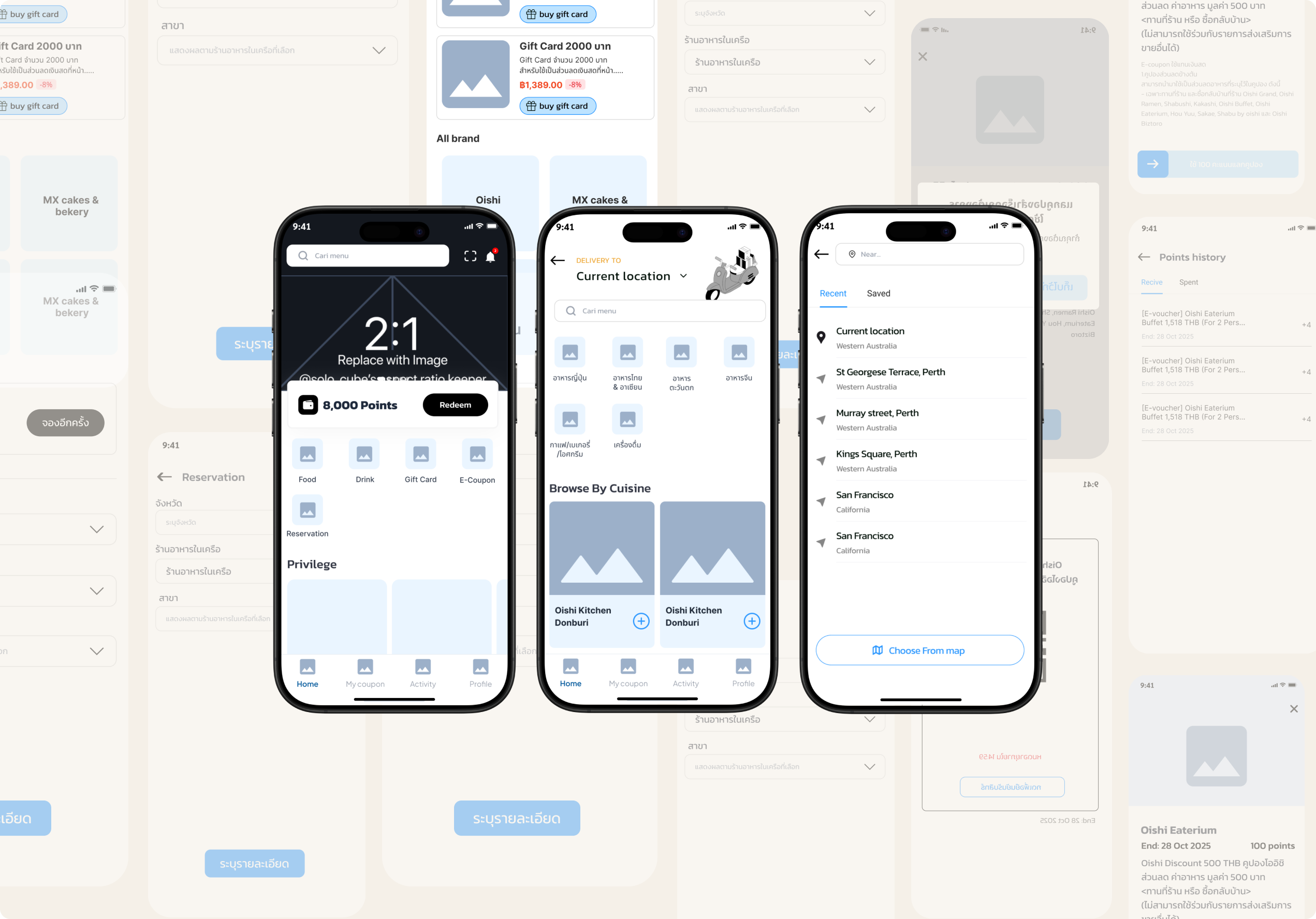
Early wireframes clarified the core task flow before visual design: home, points, rewards, services, delivery location, and coupon details. The layouts establish a clearer browsing pattern before UI polish is applied.
Icon Design
The icon set supports quick category recognition for food, beverage, gift cards, calendar reservations, and e-coupon rewards.